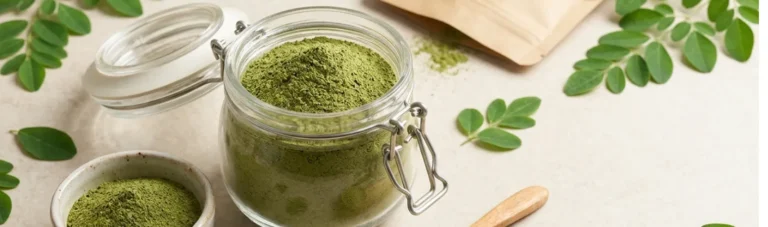

Moringa, scientifically known as Moringa oleifera, is a nutrient-rich plant widely used in traditional diets and modern health products. Also known as the drumstick tree or miracle tree, it is valued for its leaves, which contain vitamins, minerals, dietary fibre, antioxidants, and other naturally occurring plant compounds. Moringa leaves are consumed fresh, cooked, or dried and processed into moringa powder, tea, and other food products.
However, its growing popularity has also resulted in exaggerated health claims and misconceptions about its nutritional properties, safety, and effectiveness. Some people believe moringa can cure diseases, burn belly fat, or replace a balanced diet, while others assume all moringa products have identical nutritional quality. Understanding the scientific evidence behind these claims helps consumers make informed decisions about moringa consumption and distinguish genuine nutritional benefits from unsupported marketing promises.
1. Myth: Moringa Can Cure Every Disease
Fact: Moringa contains beneficial plant compounds, but it is not a proven cure or treatment for diseases.
Moringa leaves contain naturally occurring antioxidants and phytochemicals, including polyphenols and flavonoids, that have attracted scientific research interest. Laboratory and animal studies have investigated their potential antioxidant, anti-inflammatory, and metabolic effects. However, biological activity observed in laboratory experiments does not establish that consuming moringa produces the same effects in humans.
Human clinical evidence remains limited for many claims involving diabetes, cancer, cardiovascular health, and other medical conditions. Therefore, moringa should be considered a nutritional food ingredient rather than a medicine or disease treatment. It should never replace prescribed medication, medical advice, or established treatment plans.
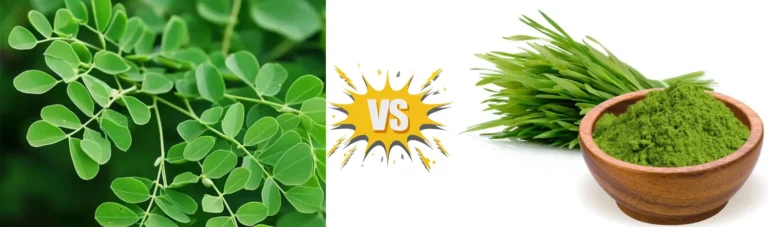
2. Myth: Moringa Powder Is Always More Nutritious Than Fresh Leaves
Fact: Moringa powder is more concentrated by weight, but drying can reduce certain nutrients.
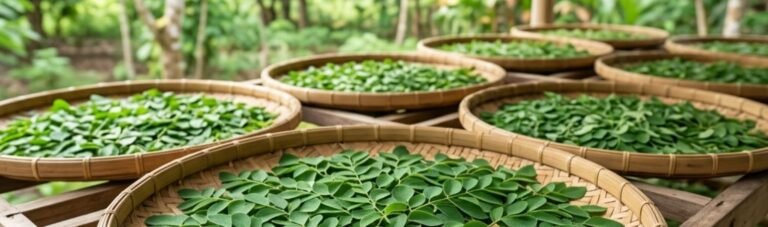
Fresh moringa leaves contain substantial moisture, while moringa powder is produced by drying and grinding the leaves. Removing water concentrates the remaining nutrients, meaning dried moringa powder generally contains more nutrients per 100 grams than fresh leaves. However, concentration does not mean that every nutrient is better preserved. Vitamin C, for example, is sensitive to heat, oxygen, and light and may decrease during drying and storage.
Nutritional quality also depends on leaf maturity, harvesting conditions, processing temperature, and packaging. Fresh leaves and moringa powder can both contribute nutrients to a balanced diet, but neither is automatically superior in every nutritional category.
3. Myth: Consuming More Moringa Provides Better Results
Fact: Excessive moringa consumption does not guarantee additional health benefits.
Moringa leaves contain dietary fibre and various plant compounds, but consuming larger quantities does not necessarily improve their nutritional contribution or health effects. Excessive intake of moringa powder may cause digestive discomfort, including nausea, bloating, or diarrhoea in some individuals. Individual tolerance can vary according to serving size, dietary habits, product concentration, and personal health requirements.
There is no universally established serving amount that guarantees the same results for everyone. Consumers should follow the manufacturer’s recommended serving instructions and introduce moringa gradually into their diets. Moderate consumption as part of a varied eating pattern is more sensible than treating moringa as a product that delivers greater benefits when consumed excessively.
4. Myth: Moringa Automatically Helps with Weight Loss
Fact: Moringa is not a scientifically established fat-burning or belly-fat-reduction solution.
Moringa is sometimes promoted as a natural weight-loss ingredient because of its fibre content and plant-based nutritional compounds. However, there is insufficient high-quality human evidence to establish that consuming moringa directly causes significant fat loss. Its dietary fibre may contribute to overall dietary intake, but this does not make moringa a metabolism-boosting or fat-burning supplement.
Sustainable weight management depends on maintaining an appropriate calorie balance, consuming a varied diet, engaging in regular physical activity, and getting adequate sleep. Adding moringa powder to smoothies, soups, or meals can increase nutritional variety, but it cannot independently produce weight-loss results. Consumers should be cautious of products promising rapid belly-fat reduction or guaranteed weight loss through moringa consumption alone.
5. Myth: Moringa Is Suitable for Everyone
Fact: Moringa consumption requires individual consideration, particularly when using concentrated supplements or certain plant parts.
Although moringa leaves are commonly consumed as food, natural ingredients can still cause side effects or interact with medications. People taking medication for diabetes or high blood pressure should consult a healthcare professional before regularly using concentrated moringa supplements. Pregnancy also requires particular caution because preparations made from moringa roots and bark are not considered suitable for consumption.
The safety of different moringa products cannot be assumed to be identical because leaves, seeds, roots, and bark have different chemical compositions. Research reviews also highlight that available human safety and efficacy evidence remains insufficient to establish every traditional or commercial health claim. Choosing appropriately processed leaf products, following consumption instructions, and seeking professional advice when necessary are sensible precautions.
6. Myth: All Moringa Powder Products Have the Same Quality
Fact: Moringa powder quality varies according to raw materials, processing, purity, and storage conditions.
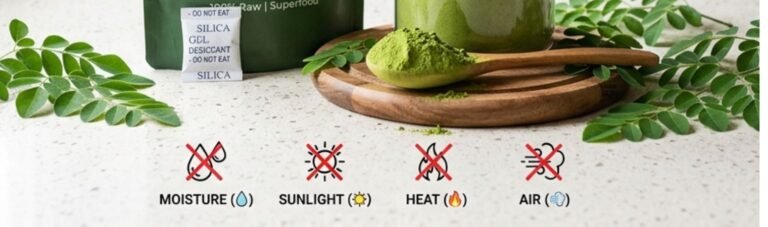
The nutritional composition and physical characteristics of moringa powder depend on several factors, including leaf maturity, harvesting conditions, drying temperature, grinding methods, and packaging. Poor processing and unsuitable storage can affect freshness, nutrient retention, colour, aroma, and microbial quality. Good-quality moringa leaf powder generally has a natural green appearance, a characteristic herbal aroma, and a fine, relatively uniform texture.
However, these characteristics cannot independently establish product purity or safety. Consumers should also examine ingredient declarations, manufacturing information, batch traceability, packaging integrity, and available laboratory testing for microbiological contamination, heavy metals, and pesticide residues. Research has demonstrated that drying and storage conditions can influence the nutritional and quality characteristics of moringa leaf powder. PubMed Central (PMC)+2
How to Evaluate Moringa Powder Quality
- Colour: Look for a natural green appearance without assuming that darker or brighter green powder is automatically better.
- Aroma: Check for a characteristic herbal smell rather than unusual or musty odours.
- Texture: Prefer a reasonably uniform powder without visible foreign particles or excessive clumping.
- Ingredients: Check whether the product contains only moringa leaves or includes additional ingredients.
- Testing: Look for relevant laboratory reports covering microbial contamination and chemical contaminants.
7. Myth: Moringa Can Replace a Balanced Diet
Fact: Moringa is a nutritious food ingredient, not a complete nutritional replacement for other food groups.
Moringa leaves contain several nutrients, including beta-carotene, vitamin C, calcium, potassium, and plant-based compounds such as polyphenols and flavonoids. However, their nutritional contribution depends on the quantity consumed and the composition of the finished product. No single ingredient can provide the full range of nutrients required for a balanced diet in appropriate quantities. Fruits, vegetables, whole grains, legumes, nuts, seeds, and other foods supply different combinations of protein, fats, carbohydrates, vitamins, and minerals. Moringa powder can complement everyday meals when added to smoothies, soups, curries, and other recipes. Its most practical nutritional role is to contribute additional plant-based nutrients rather than replace complete meals or diverse food sources.
Why Understanding Moringa Myths Matters
Understanding common moringa myths helps consumers distinguish nutritional value from exaggerated health claims. Scientific research supports the presence of several beneficial nutrients and bioactive compounds in Moringa oleifera, but evidence for specific disease-prevention and treatment claims remains limited. Product quality, processing methods, consumption quantities, and individual health requirements also influence how moringa should be incorporated into a diet.
Consumers should prioritise transparent product information, responsible consumption, and credible scientific evidence instead of relying on marketing promises. Ultimately, moringa is a valuable plant-based nutritional ingredient, but it is neither a cure-all nor a replacement for balanced nutrition and appropriate medical care.
FAQs
Is moringa really a miracle plant?
Moringa is sometimes called a miracle plant because its leaves contain various nutrients and bioactive compounds. However, this name does not mean it can cure diseases or replace medical treatment. Its primary value is its nutritional contribution.
Does moringa powder lose nutrients during processing?
Yes. Drying and storage can affect nutrient retention, particularly vitamin C and certain phytochemicals. The extent of nutrient loss depends on processing temperature, drying methods, and storage conditions.
Can moringa be consumed every day?
Moringa leaves and leaf powder can be incorporated into everyday diets, provided consumption is appropriate for individual needs and tolerance. Excessive intake may cause digestive discomfort. People taking medication should consult a healthcare professional before using concentrated supplements.
Does moringa powder help reduce belly fat?
There is insufficient reliable human evidence to establish that moringa directly reduces belly fat. Weight management requires balanced nutrition, physical activity, and sustainable lifestyle habits.
How can consumers identify good-quality moringa powder?
Consumers should evaluate colour, aroma, texture, ingredient transparency, manufacturing information, and packaging quality. They should also look for relevant laboratory testing to assess microbial and chemical contamination.