
Moringa and wheatgrass are popular green superfood powders used in smoothies, juices and everyday foods. Although both provide plant-derived nutrients and antioxidant compounds, they come from different plants and have different nutritional profiles. Moringa powder is made from the dried leaves of the moringa tree (Moringa oleifera), while wheatgrass powder comes from the young shoots of the wheat plant (Triticum aestivum).
It is particularly valued for its protein, fibre and mineral content, whereas wheatgrass is commonly associated with chlorophyll and other plant compounds. Neither is universally better; the right choice depends on nutritional priorities, product quality and how each powder is consumed.
What Is the Difference Between Moringa and Wheatgrass?
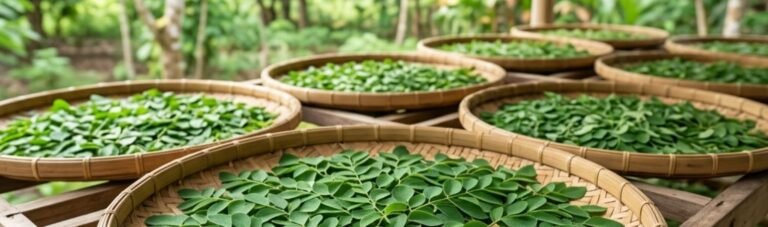
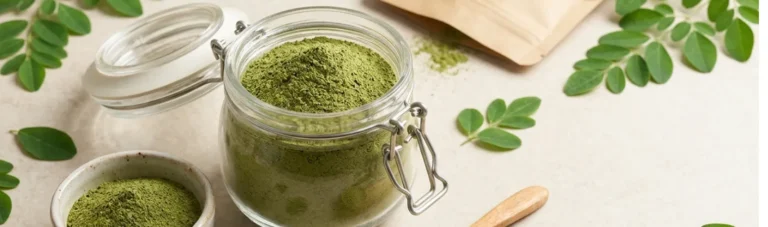
It is a tropical tree whose leaves are used as a vegetable or dried and processed into powder. Moringa leaf powder contains plant protein, dietary fibre, minerals such as calcium, iron and potassium, and naturally occurring compounds including carotenoids and polyphenols. Its earthy, slightly bitter flavour makes it suitable for smoothies, soups, curries and other foods.
Wheatgrass is the young green shoot of the common wheat plant, harvested before mature grain develops. It is commonly available as fresh juice, dehydrated powder, tablets and capsules. Wheatgrass contains chlorophyll, carotenoids, flavonoids and phenolic compounds, although its nutritional composition varies with growing conditions and processing. Its grassy flavour makes it a common addition to water, juices and smoothies.
Moringa vs Wheatgrass: Nutritional Comparison
Both powders provide plant nutrients, but their nutritional strengths differ. Moringa leaf powder is a notable source of protein, fibre and minerals, while wheatgrass is often selected for its chlorophyll and other naturally occurring plant compounds.
| Nutritional attribute | Moringa leaf powder | Wheatgrass powder |
|---|---|---|
| Protein | Approximately 25–30g per 100g in some published analyses | Approximately 22–26g per 100g in one study of wheatgrass shoot powders |
| Fibre | Naturally present; reported values vary | Depends on whether whole shoots or juice are processed |
| Plant compounds | Carotenoids, polyphenols and flavonoids | Chlorophyll, carotenoids, flavonoids and phenolic compounds |
| Minerals | Calcium, iron, potassium and magnesium | Contains minerals including potassium and magnesium |
| Common forms | Leaf powder, capsules and dried leaves | Juice, powder, tablets and capsules |
| Typical uses | Smoothies, soups and cooking | Water, juices and smoothies |
These protein figures are research examples, not guaranteed values for every commercial product. Actual composition depends on the plant variety, cultivation, processing and moisture content. A typical serving is much smaller than 100g, so neither powder should automatically be treated as a major protein source. Juice and whole-plant powder should also not be compared as nutritionally equivalent products.
Nutritional Benefits of Moringa
Moringa leaf powder provides several nutrients in a concentrated form because drying removes much of the leaves’ water content. It contains protein, fibre, calcium, potassium, iron and magnesium, along with carotenoids such as beta-carotene. The body can convert beta-carotene into vitamin A, which supports normal vision and immune function. Moringa also contains polyphenols and flavonoids that have attracted research interest for their antioxidant properties.
These characteristics make moringa a useful ingredient for adding plant-derived nutrients to meals. However, laboratory findings and nutrient composition do not prove that moringa powder prevents or treats diseases. Human research on many of its proposed therapeutic benefits remains limited.
Nutritional Benefits of Wheatgrass
Wheatgrass is particularly known for its chlorophyll content, the green pigment that enables plants to capture light for photosynthesis. It also contains carotenoids, flavonoids, phenolic compounds and varying amounts of vitamins and minerals. Research has examined its antioxidant activity and potential biological effects, but these findings do not establish that wheatgrass can detoxify the body, increase blood oxygen levels or treat medical conditions.
Wheatgrass is best understood as a concentrated green-food ingredient rather than a medicine. Fresh juice, whole-shoot powder and juice powder can have different fibre and nutrient profiles, so consumers should check the product label before comparing nutritional values.
Which Is Better: Moringa or Wheatgrass?
Neither ingredient is universally superior. Moringa may be more suitable for people who want to add protein, fibre and minerals to their diet. Wheatgrass may appeal to people looking for a green powder containing chlorophyll and other plant compounds. However, the nutritional contribution of either product depends on its composition and the quantity consumed.
For everyday protein intake, foods such as lentils, beans, chickpeas, tofu and other soy products are generally more practical than relying on small servings of green powders. Moringa and wheatgrass can complement a balanced diet, but they should not replace vegetables, fruits, pulses or other whole foods.
Can You Consume Moringa and Wheatgrass Together?
Moringa and wheatgrass can be included in the same diet and combined in smoothies or juices. They provide different plant compounds, but there is limited clinical evidence that combining them produces additional health benefits. Start with small quantities if you are unfamiliar with either powder and follow the manufacturer’s serving instructions.
People who take regular medication or have an existing health condition should consult a healthcare professional before using concentrated supplements. Moringa supplements may not be suitable during pregnancy or breastfeeding without professional advice. Fresh wheatgrass juice also requires hygienic handling because raw growing conditions can allow microbial contamination.
People with coeliac disease should be particularly careful with wheatgrass products. Although appropriately harvested young wheatgrass leaves may contain no gluten, contamination with wheat grain can occur during harvesting and processing. Choose independently certified gluten-free products rather than assuming every wheatgrass powder or juice is safe.
How to Choose Good-Quality Moringa or Wheatgrass Powder
Choose products that clearly identify the plant part, ingredients, country of origin and nutritional information. Look for sealed, food-grade packaging and manufacturers that provide credible quality-testing information for microbial contamination and heavy metals.
A natural green colour alone does not prove purity, freshness or nutritional quality. Also check for unnecessary additives, added sugars and unclear ingredient blends. Comparing the label, serving size and product testing information is more reliable than choosing a powder based on exaggerated health claims.
FAQs
Is moringa better than wheatgrass?
Moringa may be a better choice for adding plant protein, fibre and minerals, while wheatgrass is commonly selected for its chlorophyll and other plant compounds. Neither is universally better.
Which has more protein, moringa or wheatgrass?
Some published analyses report approximately 25–30g of protein per 100g for moringa leaf powder and around 22–26g for particular wheatgrass shoot powders. Actual values vary by product and processing method, so check the nutritional label.
Can I take moringa and wheatgrass together?
Yes, they can be combined in smoothies or other foods. However, there is limited clinical evidence that taking both together provides additional health benefits. Follow product serving instructions and seek professional advice if you have health concerns.
Is wheatgrass gluten-free?
Properly harvested wheatgrass leaves may be gluten-free because gluten is associated with the wheat grain rather than the young leaves. However, cross-contamination can occur. People with coeliac disease should choose independently certified gluten-free products.
What are the side effects of moringa and wheatgrass?
Concentrated powders and fresh juices may cause digestive discomfort in some people. Raw wheatgrass juice can carry microbial contamination risks if it is not handled hygienically. People who are pregnant, breastfeeding, taking medication or managing a health condition should seek professional advice before using concentrated supplements.