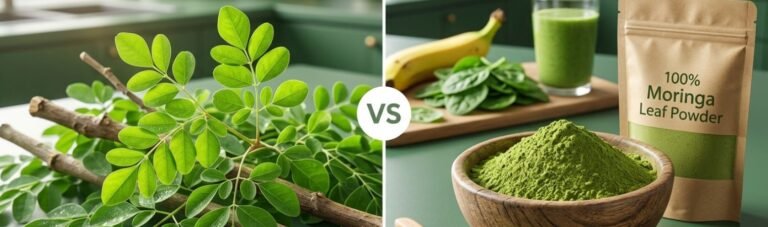
So, why is moringa becoming popular globally?
Its rise reflects more than a passing health trend. Consumers are increasingly choosing nutrient-rich, plant-based, and versatile food ingredients that fit naturally into modern lifestyles. Moringa checks all of those boxes while also offering flexibility in how it can be consumed.
Whether enjoyed as a powder, tea, fresh leaves, or capsules, moringa has become a globally recognized food ingredient that continues to grow in popularity. As awareness expands and more people discover its versatility, moringa is likely to remain an important part of the global plant-based nutrition movement.
Walk into a health food store, browse an online marketplace, or scroll through social media, and chances are you’ll come across moringa. Once considered a traditional plant mainly known in parts of Asia and Africa, moringa has now become a familiar name across the globe. From smoothies and soups to herbal teas and dietary supplements, this vibrant green plant is finding its way into kitchens and wellness routines everywhere.
Why is moringa becoming popular globally?
The answer lies in a combination of factors. Consumers are becoming more interested in plant-based nutrition, natural food ingredients, and sustainable lifestyles. Moringa fits neatly into these trends thanks to its nutritional profile, versatility, and ease of use.
Let’s explore why this remarkable plant continues to attract attention worldwide.
The growing popularity of moringa isn’t happening by accident. It reflects changing consumer preferences and broader global food trends.
A Tree with a Long History
For centuries, it has been cultivated in countries such as India, Sri Lanka, the Philippines, and many regions of Africa. Traditional communities have long appreciated it as a nutritious food source that grows well even in challenging climates.
Its ability to thrive in warm, dry environments has helped moringa spread to many tropical and subtropical regions around the world.
Why It Is Called the “Miracle Tree”
Although the nickname “miracle tree” is widely used, it reflects moringa’s versatility rather than making any medical claims. The leaves, seeds, flowers, and pods all have practical uses, making the tree a valuable agricultural resource in many countries.
Rich Nutritional Profile
One of the biggest reasons people choose moringa is its naturally occurring nutrients. Leaves contain vitamins, minerals, dietary fiber, plant protein, and naturally occurring antioxidants. These qualities have made it a popular ingredient among people looking to diversify their diets with plant-based foods.
Instead of relying on heavily processed products, many consumers now prefer whole-food ingredients that can be easily incorporated into everyday meals.
Growing Interest in Plant-Based Nutrition
Plant-based eating has expanded rapidly over the past decade. Whether someone follows a vegan lifestyle, a vegetarian diet, or simply wants to include more plant foods, moringa fits comfortably into many eating patterns.
Because it blends easily into smoothies, soups, yogurt, juices, and oatmeal, it offers a convenient way to include more plant-derived nutrients without dramatically changing daily habits.
The Shift Toward Natural Food Choices
Modern consumers are increasingly reading ingredient labels and looking for products with fewer artificial additives. Moringa appeals to this preference because it is typically sold as a simple, minimally processed leaf powder.
For many people, it represents a return to natural food ingredients rather than overly complex formulations.
How People Around the World Use Moringa?
One reason moringa has achieved worldwide recognition is its versatility.
Moringa Powder
The most common form is moringa leaf powder. It mixes easily into smoothies, fruit juices, soups, herbal teas, yogurt, salad dressings, and even homemade energy bars.
Because of its mild earthy flavor, it can be incorporated into countless recipes with very little effort.
Moringa Tea, Capsules, and Fresh Leaves
Beyond powder, it is also available as herbal tea, capsules, tablets, and dried leaves. In many regions, fresh leaves and drumstick pods are commonly cooked into traditional dishes, curries, and soups.
This wide range of product formats makes moringa accessible to people with different lifestyles and preferences.
Industries Driving the Demand for Moringa
Moringa is no longer limited to grocery shelves. Multiple industries now use it as an ingredient.
Food and Beverage Industry
Manufacturers are adding to protein blends, green powders, herbal teas, snack foods, nutrition bars, and beverage mixes to meet growing consumer demand for plant-based ingredients.
Health and Wellness Products
The wellness industry has embraced moringa because consumers increasingly seek foods and supplements made from recognizable plant ingredients.
Cosmetics and Personal Care
Moringa oil, extracted from its seeds, is used in soaps, moisturizers, facial oils, shampoos, and skincare products because of its lightweight texture and cosmetic versatility.
Why Moringa Fits Modern Lifestyles?
Busy schedules often leave little time for complicated meal preparation. It offers a simple solution.
Easy to Add to Everyday Meals
Whether you’re making breakfast, lunch, or dinner, moringa powder can be mixed into foods you already enjoy. A single spoonful can blend into smoothies, soups, yogurt, or oatmeal without requiring extra cooking skills.
That convenience makes it easier for people to stay consistent.
Sustainable and Versatile
It is also appreciated for its agricultural sustainability. The tree grows quickly, tolerates dry conditions, and can produce edible leaves over long periods. These characteristics have contributed to growing international interest in cultivation and exports.
As consumers become more environmentally conscious, crops that are adaptable and resource-efficient continue to gain attention.
FAQs
Why is moringa called the miracle tree?
It is often called the “miracle tree” because nearly every part of the plant—including its leaves, seeds, flowers, and pods—has practical uses in food, agriculture, or traditional practices.
Why has moringa become popular worldwide?
Its nutritional profile, versatility, growing interest in plant-based foods, and ease of use have all contributed to its increasing global popularity.
Which countries produce moringa?
It is widely cultivated in India, several African countries, Southeast Asia, and other tropical and subtropical regions around the world.
How do people commonly consume moringa?
People consume moringa as leaf powder, herbal tea, capsules, tablets, fresh leaves, or cooked drumstick pods in a variety of recipes.
Can moringa be included in a daily diet?
Many people include as part of their regular diet by following the serving instructions on the product label and incorporating it into balanced meals.