

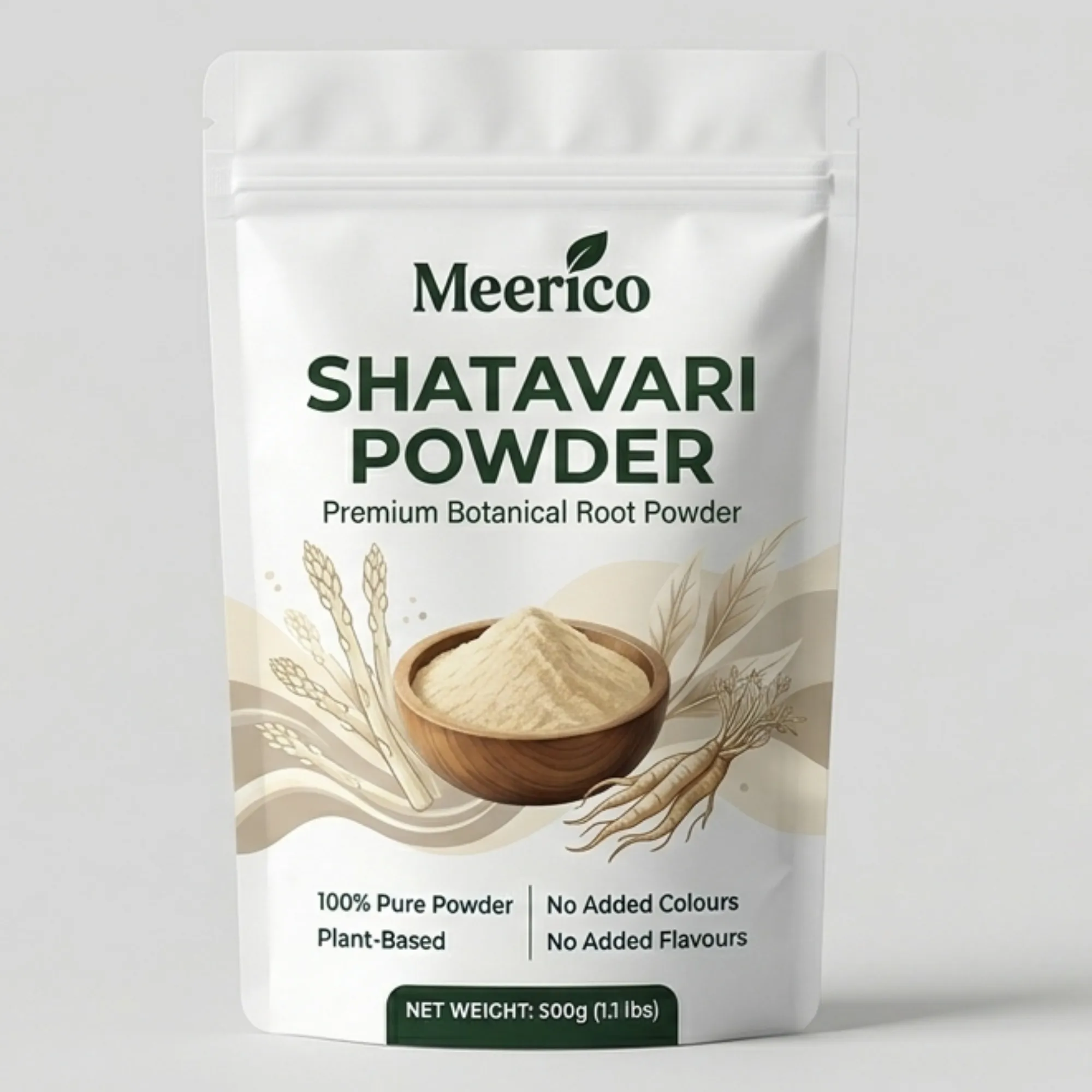
Shatavari Powder Exporter & Supplier in Ahmedabad, India
Shatavari Powder is a powdered herbal ingredient associated with the root of Asparagus racemosus, a plant traditionally used in Ayurveda and Indian herbal practices. It is used in traditional-style preparations and can be considered for suitable herbal and food-related formulations.
- Botanical name: Asparagus racemosus
- Plant part traditionally used: tuberous root
- Convenient powdered format
- Traditional Ayurvedic herbal ingredient
Shatavari Powder Product Details
Shatavari is the common name for Asparagus racemosus. Its dried tuberous roots are the plant material traditionally used in Ayurvedic preparations. The following details describe the commonly recognised botanical identity of Shatavari; product-specific composition and quality parameters should be checked against the actual material supplied.
- Common names: Shatavari, Shatawari, Shatamuli, wild asparagus
- Plant family: Asparagaceae
- Ingredient format: Dried and milled shatavari root powder
- Appearance and colour: Whitish to light brown or off-white powder; the shade can vary between batches
- Odour and taste: Odour: Mild, earthy, and faintly sweet (often described as characteristic or slightly starchy) & Taste: Primarily sweet (Madhura) with a mildly bitter (Tikta) aftertaste
- Composition: Reported constituents of the root include steroidal saponins (including shatavarins), mucilage and alkaloids. The saponin content of root powder varies with the plant, growing conditions and harvest, so request the current specification if a defined level matters
- Powder vs extract: Plain root powder is a different ingredient from standardised shatavari extracts, which are sold at defined saponin levels and have different specifications. Confirm the format you need
- Particle size (mesh): Commonly supplied at around 60 mesh, with a general range of about 40 to 100 mesh
- Moisture (loss on drying): Commonly specified at not more than 10% for root powders/li>
- Applications: Evaluated in traditional herbal preparations, herbal blends and suitable food or beverage recipes. Suitability, labelling and permitted claims depend on the ingredient identity and the regulations of the destination market
- Storage: Keep in a tightly closed pack in a cool, dry place away from direct sunlight, heat and moisture
- Shelf life: Commonly stated as about 18 months from the date of manufacture when stored properly; follow the applicable product label or supplier specification
- Packaging: Bulk packs are commonly 25 kg bags or cartons with an inner liner; confirm current pack sizes and private-label options with Meerico
- Supply options: Wholesale, bulk, export and retail packaging enquiries
- Documentation: Order-specific; confirm which documents, such as a specification or laboratory report, are available before ordering
No batch-specific protein, moisture, mesh, saponin content, shelf life, packaging size or certification has been stated on this page. These should only be published when supported by current product documentation.
What Is Shatavari Powder?
Shatavari is the common name for Asparagus racemosus, a climbing plant found across parts of India and the wider South Asian region. The dried tuberous roots are the plant part traditionally used in Ayurvedic preparations. Shatavari is botanically distinct from the commonly eaten garden asparagus, Asparagus officinalis.
In powdered form, the root material can be measured and incorporated into suitable preparations without handling whole dried roots. The appearance, aroma, taste and composition of a powder can vary with the source material and processing method.
Traditional descriptions provide historical context for the ingredient; they do not establish that a particular commercial powder has a medical effect.
Botanical Identity and Plant Part
- Common name: Shatavari
- Botanical name: Asparagus racemosus
- Family: Asparagaceae
- Plant part: Tuberous root
- Traditional system: Ayurveda and Indian herbal practices
Correct botanical identification matters because products sold under similar common names may not always contain the same plant material. Commercial buyers should confirm botanical identity and plant part in the supplier’s specification or supporting documentation.
Traditional Use of Shatavari
Shatavari has a long history of use in Ayurveda and traditional Indian herbal practices. It is described in traditional sources as a herbal ingredient prepared from the root. Modern scientific literature has examined its phytochemistry and possible biological activities, but findings from laboratory studies, extracts or small clinical studies should not be treated as proof that every Shatavari powder delivers a particular health outcome.
Traditional use should not be presented as evidence that Shatavari Powder diagnoses, treats, cures or prevents disease. It should not replace prescribed medicines or professional medical care.
Plant Constituents Discussed in Research
Scientific literature describes steroidal saponins, including compounds known as shatavarins, among the constituents studied in Asparagus racemosus roots. The amount of these compounds can differ between raw root powders and extracts, and between products depending on plant material and processing. Do not assume a standardised saponin or shatavarin level unless it is measured and reported for the specific product.
Preparation and Application Considerations
Shatavari powder is used in traditional-style herbal preparations. Depending on the product’s intended category and applicable regulations, it may also be considered for selected herbal or food-related formulations. Buyers and formulators should assess the ingredient’s intended use, flavour, formulation compatibility and regulatory classification before use.
Traditional Herbal Preparations
Shatavari root powder is used in traditional Ayurvedic preparations. Follow the directions and intended use associated with the specific product.
Milk-Based Preparations
Shatavari is traditionally incorporated into some milk-based preparations. Check the product’s usage guidance and consider flavour and formulation compatibility.
Herbal Formulations
Manufacturers may evaluate Shatavari as a botanical ingredient in suitable herbal formulations, subject to identity, quality, regulatory and formulation requirements.
Food and Beverage Research
Any proposed food or beverage use should be assessed for ingredient permissions, applicable food regulations, intended serving and sensory suitability in the destination market.
Quality and Product Evaluation
For commercial purchasing, buyers should assess Shatavari powder using relevant product identity and quality information. Depending on the application, the review may include:
- Botanical identity of Asparagus racemosus
- Confirmation that the plant part is the intended root material
- Ingredient composition and absence of undeclared additives
- Appearance, aroma and sensory profile
- Moisture and relevant physical parameters
- Microbiological and contaminant testing where applicable
- Batch-specific Certificate of Analysis, where available
Storage and Handling
Keep Shatavari Powder in a properly sealed package and store it in a cool, dry place away from direct sunlight, heat and moisture.
Use a clean, completely dry spoon when handling the powder. Avoid introducing moisture into the package. Follow the storage directions and best-before or expiry information provided on the product packaging.
Actual shelf life depends on the product, packaging and storage conditions; no specific shelf-life period is stated here.
Who Should Seek Professional Advice?
Herbal products are not automatically suitable for everyone. People who are pregnant or breastfeeding, taking medication, managing a health condition or considering Shatavari for a specific health concern should consult a qualified healthcare professional before use. This is particularly important because evidence and product composition can vary between preparations.
Do not use traditional-use descriptions on a product page as a substitute for a safety assessment or product-specific advice.
Shatavari Powder Supplier and Exporter in Ahmedabad, India
Meerico, based in Ahmedabad, Gujarat, India, provides a point of contact for business enquiries about Shatavari Powder. Buyers considering the ingredient for wholesale, bulk purchasing or international requirements can contact Meerico with their intended application and purchasing needs.
When making an enquiry, share details such as required quantity, preferred packaging, intended application, delivery destination and any botanical or quality documentation requirements. Product specifications and commercial terms should be discussed for the applicable offering.
Wholesale and Bulk Enquiries
Share your expected quantity and purchasing requirements to discuss the relevant supply options.
Product Documentation
Specify the botanical identity, plant-part, testing or quality documents required for your application.
International Enquiries
Provide your destination country, quantity and packaging preference so relevant supply requirements can be discussed.
Frequently Asked Questions
What is Shatavari Powder?
Shatavari Powder is a powdered herbal ingredient made from the root of Asparagus racemosus, a plant traditionally used in Ayurveda.
What is the botanical name of Shatavari?
The botanical name commonly used for Shatavari is Asparagus racemosus. The Ayurvedic botanical source is identified as its dried tuberous roots.
Which part of the Shatavari plant is used?
The root, particularly the tuberous root, is the part traditionally used for Shatavari preparations. Confirm the plant-part identity for the specific product being purchased.
What is Shatavari Powder traditionally used for?
Shatavari has a history of use in Ayurveda and traditional Indian herbal practices. Traditional use is not proof that a product can diagnose, treat, cure or prevent a health condition.
How can Shatavari Powder be used?
Shatavari powder is commonly incorporated into traditional-style preparations and suitable recipes. Follow the usage directions supplied with the product and consult a qualified healthcare professional if you have questions about using herbal products.
What does Shatavari Powder taste like?
Shatavari powder is generally described as having an earthy, mildly sweet or characteristic herbal taste. The exact sensory profile can vary with the raw material and processing.
Can Shatavari Powder be mixed with milk?
It is traditionally used in some milk-based preparations. If using it in a beverage or recipe, follow the product’s directions and consider its flavour and compatibility with the other ingredients.
How should Shatavari Powder be stored?
Keep it tightly sealed in a cool, dry place away from direct sunlight, heat and moisture. Use a clean, dry spoon and follow the storage directions on the product packaging.
Does Shatavari Powder have a standardised saponin content?
Not all Shatavari powders are standardised to a stated saponin level. Do not assume a particular shatavarin or saponin percentage unless it is supported by a product-specific specification or laboratory report.
Who should seek professional advice before using Shatavari?
People who are pregnant or breastfeeding, taking medication, managing a health condition or considering Shatavari for a specific health concern should consult a qualified healthcare professional before use.
Enquire About Shatavari Powder Wholesale and Export Supply
Contact Meerico, Ahmedabad, with your required quantity, intended application, packaging preference and destination to discuss Shatavari Powder enquiries.