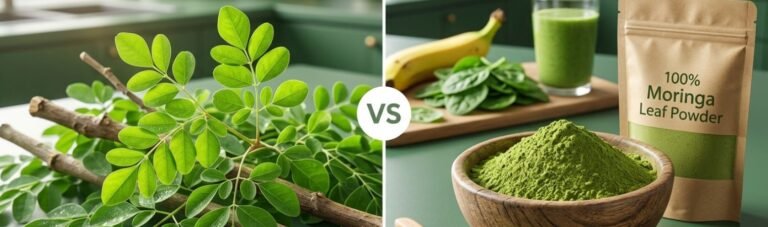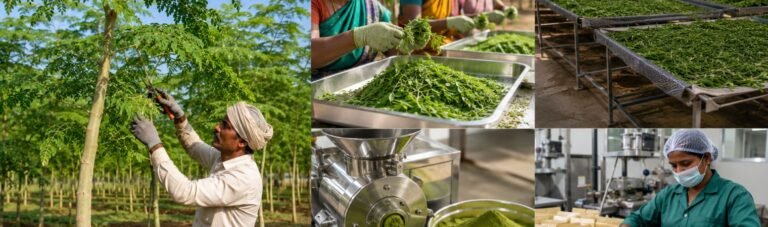
Have you ever wondered why Moringa has earned the nickname “The Miracle Tree”? From ancient Ayurvedic traditions to modern nutritional science, this remarkable plant has gained worldwide recognition for its exceptional nutritional profile, versatile uses, and potential health benefits. Whether consumed as fresh leaves, powder, tea, capsules, or oil, moringa has become a staple ingredient in the wellness, food, and nutraceutical industries.
So, what is Moringa exactly? Scientifically known as Moringa oleifera, it is a fast-growing, drought-resistant tree native to the Indian subcontinent. Every part of the tree—including its leaves, flowers, seeds, pods, bark, and roots—has been valued for centuries in traditional medicine, culinary applications, and agriculture. Because of its adaptability and impressive nutrient content, moringa is now cultivated across Asia, Africa, South America, and other tropical regions.
One of the key reasons behind moringa’s global popularity is its outstanding nutritional value. The leaves are naturally rich in plant protein, dietary fiber, vitamins, minerals, essential amino acids, antioxidants, and beneficial plant compounds. This nutrient density has made moringa a popular ingredient in dietary supplements, functional foods, herbal teas, and health-focused products around the world.
India plays a particularly significant role in the story of moringa. The history of Moringa in India stretches back thousands of years, where it has been deeply rooted in Ayurveda and traditional cooking. Today, India remains one of the largest producers and exporters of moringa, supplying high-quality moringa leaves, powder, seeds, and other value-added products to international markets.
But nutrition is only part of the story. The moringa tree is also admired for its environmental resilience, rapid growth, and practical value. It thrives in challenging climates, helps support sustainable agriculture, and provides food and resources for communities in regions where access to nutritious crops may be limited. These qualities further explain why it is widely known as the Miracle Tree.
In this comprehensive guide, you’ll discover everything you need to know about moringa—from its origin and botanical characteristics to its historical significance, nutritional composition, health benefits, everyday uses, and the science behind its growing reputation. Whether you’re a health-conscious consumer, a researcher, a food manufacturer, or a business looking to source premium moringa products, this article will give you a complete understanding of one of nature’s most remarkable plants.
Moringa Tree Explained
The moringa tree is one of nature’s most remarkable plants. Scientifically known as Moringa oleifera, it is a fast-growing, deciduous tree that can reach a height of 10 to 12 meters (33–40 feet) under favorable conditions. Native to the Indian subcontinent, the tree has adapted exceptionally well to tropical and subtropical climates, making it one of the most widely cultivated multipurpose trees in the world.
Unlike many commercial crops that require fertile soil and abundant rainfall, moringa thrives in harsh environments. It can grow in poor soils, tolerate prolonged dry periods, and continue producing nutritious leaves throughout much of the year. These characteristics have made it an important crop for sustainable agriculture, food security, and rural livelihoods across many developing countries.
History of Moringa in India
The history of Moringa (Moringa oleifera) is deeply rooted in India’s agricultural heritage, traditional medicine, and culinary culture. Long before moringa became a globally recognized superfood, it was cultivated and valued across the Indian subcontinent for its remarkable versatility and nutritional richness. From ancient Ayurvedic texts to modern commercial farming, moringa has remained an important part of Indian life for thousands of years.
Today, India is not only considered the birthplace of Moringa oleifera but also the world’s largest producer and one of the leading exporters of moringa leaves, leaf powder, seeds, and value-added products.
The Origin of Moringa in India
Botanical research indicates that Moringa oleifera originated in the foothills of the Himalayas in northwestern India. From there, the tree gradually spread to different regions of the country due to its adaptability, rapid growth, and practical value.
As farming communities discovered its ability to thrive in dry climates and poor soils, moringa became a preferred crop in both rural villages and agricultural landscapes. Over centuries, cultivation expanded from northern India to southern states, where the warm climate proved ideal for large-scale production.
Today, moringa is extensively grown in:
- Tamil Nadu
- Andhra Pradesh
- Karnataka
- Telangana
- Maharashtra
- Gujarat
- Rajasthan
- Uttar Pradesh
- Odisha
Among these, Tamil Nadu is widely recognized as the leading producer of moringa in India, with several specialized varieties cultivated for domestic consumption and export.
Moringa in Ayurveda
One of the earliest documented uses of moringa comes from Ayurveda, India’s traditional system of medicine that has been practiced for more than 3,000 years.
Ancient Ayurvedic practitioners valued different parts of the moringa tree, including:
- Leaves
- Flowers
- Pods
- Seeds
- Bark
- Roots
These were traditionally incorporated into herbal preparations and dietary practices to support overall wellness and maintain balance within the body.
Rather than viewing moringa as a single-purpose medicinal plant, Ayurveda considered it a versatile botanical with broad nutritional and therapeutic value. Its nutrient-rich leaves made it an important food source, while other parts of the tree were utilized according to traditional knowledge passed down through generations.
Although modern scientific research continues to explore many of these traditional applications, Ayurveda established moringa’s reputation centuries before the term “superfood” ever existed.
Moringa in Traditional Indian Cuisine
Beyond traditional medicine, moringa has always been an important ingredient in Indian kitchens.
Its tender seed pods, commonly known as drumsticks, are widely used in regional dishes and are especially popular in South Indian cuisine. They add a mild, earthy flavor and are commonly cooked in:
- Sambar
- Vegetable curries
- Lentil stews
- Coconut-based gravies
- Soups
Fresh moringa leaves are equally valued and are incorporated into:
- Stir-fries
- Dal preparations
- Flatbreads
- Chutneys
- Herbal soups
Because the leaves are naturally rich in essential nutrients, they have long been included in traditional diets as a wholesome green vegetable rather than simply a medicinal herb.
This combination of culinary and nutritional value helped establish moringa as a household staple across many regions of India.
From Ancient Villages to Modern Agriculture
For centuries, moringa was primarily cultivated in home gardens, village farms, and community orchards. Families relied on the tree for food, traditional remedies, livestock fodder, and shade.
As scientific research highlighted moringa’s impressive nutritional profile, commercial interest began to grow. Farmers recognized that the tree’s rapid growth, multiple harvests, and low cultivation costs made it an economically attractive crop.
Over the last few decades, India has transformed moringa cultivation from a traditional farming practice into a thriving commercial industry.
Today, moringa is cultivated for:
- Fresh leaves
- Leaf powder
- Seed oil
- Tea
- Capsules
- Nutraceutical ingredients
- Functional foods
- Cosmetic formulations
- Animal nutrition products
This diversification has significantly increased the demand for high-quality moringa across both domestic and international markets.
India’s Leadership in Global Moringa Production
India remains the world’s leading producer of moringa due to its favorable climate, agricultural expertise, and long history of cultivation.
Several factors contribute to India’s leadership:
- Suitable tropical and subtropical growing conditions.
- Extensive farming knowledge developed over generations.
- Availability of high-yield moringa varieties.
- Strong processing infrastructure for leaf powder and seed products.
- Growing focus on organic and sustainable farming practices.
- Increasing compliance with international food safety and export standards.
Indian moringa products are exported to numerous countries for use in:
- Dietary supplements
- Functional foods
- Herbal products
- Cosmetics
- Pharmaceutical formulations
- Animal feed
- Nutraceutical manufacturing
This expanding global demand has positioned India as a trusted supplier of premium-quality moringa ingredients.
The Global Journey of Moringa
Although moringa originated in India, its benefits gradually became recognized around the world.
Through trade, migration, and agricultural exchange, moringa spread to:
- Southeast Asia
- Africa
- The Middle East
- Central America
- South America
- The Caribbean
- Australia
Today, the tree is cultivated in more than 80 countries, particularly in regions with warm climates and seasonal rainfall.
International organizations, agricultural researchers, and development agencies have also promoted moringa cultivation because of its potential to support nutrition, sustainable farming, and rural livelihoods in suitable growing regions.
Why India’s History Matters Today?
Understanding the history of moringa in India provides valuable insight into why the tree continues to attract global attention.
Its journey from an ancient household plant to an internationally traded agricultural commodity demonstrates how traditional knowledge and modern science can complement one another. While Ayurveda recognized moringa’s importance centuries ago, contemporary research has expanded our understanding of its nutritional composition, bioactive compounds, and potential applications in food, wellness, and agriculture.
As consumer demand for plant-based nutrition and natural ingredients continues to grow, India’s centuries-old relationship with moringa remains one of the strongest foundations for its global success. The country’s expertise in cultivation, processing, and quality production continues to make Indian moringa one of the most sought-after botanical ingredients in international markets.
Botanical Characteristics of the Moringa Tree
The moringa tree has a distinctive appearance that makes it easy to identify. Every part of the tree serves a purpose, whether for nutrition, traditional medicine, agriculture, or industrial applications.
Leaves
The leaves are the most valuable part of the tree from a nutritional perspective. They are small, oval-shaped, and arranged in clusters on delicate branches, giving the tree a light, feathery appearance.
Fresh moringa leaves are bright green, tender, and highly nutritious. They are commonly eaten as vegetables, added to soups and curries, or dried at low temperatures to produce moringa leaf powder. Because the leaves regrow quickly after harvesting, farmers can harvest them several times a year without harming the tree.
Flowers
Moringa produces fragrant, creamy-white flowers that bloom in clusters. These flowers are rich in nectar, attracting bees and other pollinators that support biodiversity.
In many cultures, moringa flowers are consumed as a seasonal vegetable or used in herbal preparations. They also play an important role in seed production, eventually developing into the long seed pods for which the tree is well known.
Seed Pods (Drumsticks)
One of the most recognizable features of the moringa tree is its long, slender seed pods, commonly called drumsticks because of their shape.
Young drumsticks are widely used in Indian, Sri Lankan, and Southeast Asian cuisines. Their mild flavor and tender texture make them a popular ingredient in curries, soups, and stews. As the pods mature, they become fibrous and eventually release fully developed seeds.
Seeds
Each mature pod contains numerous round, dark-colored seeds with thin, papery wings that help with natural dispersal.
Moringa seeds have several commercial applications:
- Cold-pressed to produce premium moringa oil (Ben Oil).
- Used for planting new trees.
- Utilized in traditional practices.
- Studied for their natural water clarification properties due to proteins that help bind suspended particles.
This wide range of uses adds significant economic value to moringa cultivation.
Bark and Roots
Although the leaves and pods receive most of the attention, the bark and roots have also been used traditionally in certain cultures. The roots possess a flavor similar to horseradish, which explains why moringa is sometimes called the Horseradish Tree.
However, root and bark preparations should only be used with appropriate knowledge and caution, as they contain naturally occurring compounds that may not be suitable for everyone.
Growth Conditions of Moringa
One of moringa’s greatest strengths is its adaptability. It grows successfully in a wide range of environmental conditions, making it an attractive crop for both small-scale farmers and commercial plantations.
The tree grows best under the following conditions:
| Growing Factor | Ideal Condition |
|---|
| Climate | Tropical and subtropical |
| Temperature | 25°C–35°C |
| Rainfall | 250–1,500 mm annually |
| Soil Type | Well-drained sandy or loamy soil |
| Soil pH | 6.0–7.5 |
| Sunlight | Full sunlight |
| Water Requirement | Moderate once established |
Although moringa is drought-tolerant, it performs best with proper irrigation during extended dry periods. Waterlogged soils should be avoided, as excessive moisture can damage the roots and reduce plant health.
How Fast Does a Moringa Tree Grow?
Moringa is often described as one of the fastest-growing trees in the plant kingdom.
Under favorable conditions:
- Seeds typically germinate within 7–14 days.
- Young plants can grow more than 2–3 meters (6–10 feet) in their first year.
- Leaves may be ready for harvesting within 60–90 days after planting.
- Mature trees can produce multiple leaf harvests each year.
- Seed production generally begins within the first year under suitable growing conditions.
This rapid growth makes moringa an economically attractive crop for farmers, as it provides a relatively quick return compared to many other perennial plants.
Why Farmers Prefer Growing Moringa?
Commercial cultivation of moringa has expanded significantly because the tree offers multiple income opportunities from a single plantation.
Farmers value moringa because it:
- Produces edible leaves, flowers, pods, and seeds.
- Requires relatively low maintenance once established.
- Tolerates dry climates and challenging growing conditions.
- Can be harvested several times a year.
- Supports both domestic consumption and export markets.
- Has growing demand from the food, nutraceutical, cosmetic, and pharmaceutical industries.
This versatility allows growers to diversify their products while maximizing the value of each tree.
Interesting Facts About the Moringa Tree
- Moringa oleifera belongs to the small Moringaceae family, which contains only a limited number of species.
- Nearly every part of the tree has a practical use, from food and cosmetics to agriculture and industrial applications.
- The tree can survive periods of drought thanks to its deep root system.
- Moringa leaves regenerate quickly after harvesting, making them ideal for continuous production.
- Cold-pressed moringa seed oil is naturally stable and widely used in skincare, haircare, and cosmetic formulations.
- Due to its adaptability and nutritional value, moringa is cultivated in more than 80 countries around the world.
The unique combination of rapid growth, exceptional versatility, and resilience has established the moringa tree as one of the world’s most valuable botanical resources. Whether grown for fresh vegetables, nutritional supplements, herbal products, or export-quality leaf powder, moringa continues to play an important role in sustainable agriculture and global nutrition.
Why is Moringa Called the Miracle Tree?
Few plants have earned a nickname as powerful as “The Miracle Tree.” But unlike many marketing labels, this title wasn’t created overnight. For generations, communities across Asia and Africa have relied on Moringa (Moringa oleifera) as a dependable source of food, nutrition, and everyday utility. Over time, its remarkable versatility and nutrient-rich composition led people to refer to it as the Miracle Tree.
So, why is moringa called the Miracle Tree? The answer lies in the unique combination of its nutritional value, multiple practical uses, rapid growth, environmental resilience, and long history of traditional use. Very few plants offer as many benefits while requiring so few resources to grow.
1. Nearly Every Part of the Tree is Useful
One of the biggest reasons moringa stands out is that almost every part of the tree serves a purpose.
| Part of the Tree | Common Uses |
|---|---|
| Leaves | Powder, tea, soups, supplements, functional foods |
| Seed Pods | Culinary dishes, especially curries and soups |
| Flowers | Salads, herbal preparations, teas |
| Seeds | Oil extraction, planting, water clarification research |
| Seed Oil | Cosmetics, skincare, haircare, massage oils |
| Bark | Traditional applications in some cultures |
| Roots | Limited traditional uses (used cautiously) |
Unlike many crops where only one portion is harvested, moringa provides value from root to seed, making it an exceptionally resource-efficient tree.
2. An Exceptional Nutritional Profile
Another reason moringa has earned worldwide recognition is its impressive nutrient density.
The leaves naturally contain a wide range of nutrients, including:
- Plant-based protein
- Dietary fiber
- Vitamin A
- Vitamin C
- Vitamin E
- Vitamin K
- Calcium
- Potassium
- Magnesium
- Iron
- Phosphorus
- Essential amino acids
- Polyphenols
- Flavonoids
- Chlorophyll
Because of this rich nutritional profile, moringa is widely used in:
- Functional foods
- Dietary supplements
- Herbal formulations
- Smoothie blends
- Nutrition powders
- Health beverages
Its versatility allows manufacturers to incorporate moringa into a variety of products while offering consumers a convenient way to increase their intake of plant-based nutrients.
3. A Long History of Traditional Use
Long before modern laboratories began studying moringa, communities in India had already integrated it into daily life.
For centuries, moringa has been:
- Consumed as a vegetable.
- Included in traditional Ayurvedic practices.
- Used in seasonal recipes.
- Cultivated in home gardens.
- Valued as a reliable source of nutrition.
This long-standing history demonstrates that moringa is not a newly discovered trend but a plant with deep cultural and agricultural roots.
Today, scientific research continues to investigate many of the nutritional compounds found in moringa, helping to expand our understanding of its potential applications.
4. Naturally Adapted to Challenging Environments
Many highly nutritious crops require fertile land, regular rainfall, and intensive agricultural inputs. Moringa is different.
The tree is naturally:
- Drought tolerant
- Heat resistant
- Fast growing
- Adaptable to poor soils
- Suitable for semi-arid regions
- Capable of multiple harvests each year
Once established, moringa requires relatively modest maintenance compared to many commercial crops.
These characteristics make it especially valuable in regions where climate conditions make agriculture more challenging.
5. Supports Sustainable Agriculture
As the world places greater emphasis on sustainability, moringa has attracted attention as an environmentally friendly crop.
Several characteristics contribute to its sustainability:
- Rapid biomass production
- Efficient use of land
- Lower water requirements after establishment
- Ability to regenerate after harvesting
- Reduced agricultural waste because multiple parts of the tree are utilized
For farmers, this means a single plantation can produce several marketable products, including fresh leaves, dried leaf powder, seed oil, flowers, and pods.
6. Growing Interest from Scientific Research
Over the past two decades, researchers have increasingly studied Moringa oleifera for its nutritional composition and naturally occurring plant compounds.
Scientists have identified numerous bioactive substances within moringa, including:
- Quercetin
- Chlorogenic acid
- Kaempferol
- Beta-carotene
- Vitamin C
- Polyphenols
- Glucosinolates
- Isothiocyanates
These compounds are being investigated for their biological activity and potential role in supporting overall health. While research continues to evolve, the existing body of scientific literature has contributed significantly to moringa’s growing international reputation.
It’s important to note that although moringa is highly nutritious, it should not be viewed as a replacement for medical treatment or a cure for disease. Instead, it can be considered part of a balanced diet and healthy lifestyle.
7. A Valuable Crop for Farmers and Rural Communities
Moringa is more than just a health product—it is also an economically important crop.
Commercial cultivation creates opportunities in:
- Farming
- Food processing
- Nutraceutical manufacturing
- Cosmetic production
- Herbal product development
- Export businesses
Because the tree grows quickly and offers multiple harvests throughout the year, it provides farmers with diversified income opportunities while helping meet increasing global demand.
8. Global Recognition as a Modern Superfood
As consumers become more interested in plant-based nutrition, moringa has gained popularity across North America, Europe, Asia, Australia, and the Middle East.
Today, moringa is commonly found in:
- Green superfood powders
- Herbal teas
- Capsules
- Gummies
- Protein blends
- Functional beverages
- Snack bars
- Nutritional supplements
- Skincare products
Its combination of nutrition, versatility, and sustainability has transformed moringa from a traditional Indian crop into a globally recognized botanical ingredient.
Why the Name “Miracle Tree” Continues to Endure
The title “Miracle Tree” is not based on a single property but on the extraordinary combination of qualities that Moringa oleifera offers. Few plants provide nutritious edible leaves, flowers, seed pods, seeds, and oil while also thriving in demanding environments and supporting diverse industries.
Its centuries-old role in Indian agriculture, expanding scientific interest, and growing demand in the food, wellness, and nutraceutical sectors continue to reinforce its reputation. Rather than being a miracle because it performs one extraordinary function, moringa is often described as miraculous because it contributes value in so many different ways—from supporting nutrition and sustainable farming to providing opportunities for farmers, manufacturers, and consumers around the world.
Nutritional Value of Moringa
One of the primary reasons Moringa (Moringa oleifera) has earned worldwide recognition is its exceptional nutritional profile. Often referred to as a nutrient-dense superfood, moringa provides an impressive combination of plant-based protein, dietary fiber, essential vitamins, minerals, antioxidants, and naturally occurring bioactive compounds.
Unlike many leafy vegetables that are consumed only in fresh form, moringa retains a significant portion of its nutritional value when its leaves are carefully dried and processed into powder under controlled conditions. This makes moringa leaf powder a convenient ingredient for functional foods, dietary supplements, smoothies, herbal teas, and nutritional formulations.
It’s important to note that the exact nutrient composition of moringa can vary depending on factors such as soil quality, climate, cultivation practices, harvesting stage, and drying methods. The values below are approximate and may differ slightly between producers.
Approximate Nutritional Value of Moringa Leaf Powder (Per 100 g)
| Nutrient | Approximate Amount |
|---|---|
| Energy | 300–330 kcal |
| Protein | 25–30 g |
| Carbohydrates | 35–40 g |
| Dietary Fiber | 18–22 g |
| Fat | 5–7 g |
| Calcium | 1,800–2,200 mg |
| Potassium | 1,200–1,500 mg |
| Magnesium | 300–400 mg |
| Iron | 20–30 mg |
| Phosphorus | 200–300 mg |
| Vitamin A (as beta-carotene) | High |
| Vitamin C* | Variable |
| Vitamin E | Present |
| Vitamin K | High |
| B Vitamins | Present |
Note: Vitamin C levels are generally much higher in fresh moringa leaves than in dried powder because some vitamin C is lost during drying.
Macronutrients in Moringa
Plant-Based Protein
Moringa leaves are naturally rich in plant protein, making them a valuable addition to vegetarian and vegan diets. Unlike many leafy greens, moringa contains all nine essential amino acids, although the quantities vary and it should not be considered a sole protein source.
Because of its protein content, moringa is commonly used in:
- Plant-based nutrition products
- Protein blends
- Meal replacement powders
- Functional beverages
- Sports nutrition formulations
Dietary Fiber
Dietary fiber plays an important role in supporting normal digestion and overall gut health. Moringa leaf powder contains a meaningful amount of fiber, which also contributes to satiety and makes it a useful ingredient in balanced dietary plans.
Healthy Plant Lipids
Although moringa leaves are naturally low in fat, they contain small amounts of beneficial plant lipids. The seeds are particularly valued because they yield moringa seed oil (Ben Oil), which is widely used in food and cosmetic applications.
Essential Vitamins Found in Moringa
Moringa is naturally rich in several vitamins that contribute to normal body functions.
Vitamin A (Beta-Carotene)
Moringa leaves contain high levels of beta-carotene, a precursor that the body converts into vitamin A as needed. Vitamin A supports:
- Normal vision
- Healthy skin
- Immune function
- Cell growth
Vitamin C
Fresh moringa leaves naturally provide vitamin C, which contributes to:
- Normal collagen formation
- Immune system function
- Antioxidant protection
- Iron absorption
Since vitamin C is heat-sensitive, fresh leaves generally contain more than dried leaf powder.
Vitamin E
Vitamin E is a naturally occurring antioxidant that helps protect cells from oxidative stress and supports overall health.
Vitamin K
Vitamin K contributes to normal blood clotting and supports healthy bones. Moringa leaves are considered a good natural source of this important vitamin.
B-Complex Vitamins
Moringa also contains several B vitamins, including:
- Vitamin B1 (Thiamine)
- Vitamin B2 (Riboflavin)
- Vitamin B3 (Niacin)
- Vitamin B6
These vitamins play essential roles in normal energy metabolism and nervous system function.
Minerals Present in Moringa
Moringa provides a broad spectrum of naturally occurring minerals.
Calcium
Calcium supports:
- Strong bones
- Healthy teeth
- Muscle function
- Normal nerve signaling
Moringa leaf powder is particularly recognized for its high calcium content.
Iron
Iron contributes to:
- Normal red blood cell formation
- Oxygen transport
- Reduction of tiredness and fatigue when dietary intake is adequate
This makes moringa a valuable ingredient in nutrient-rich diets, although iron absorption can vary depending on overall diet.
Potassium
Potassium helps maintain:
- Normal muscle function
- Healthy nerve function
- Fluid balance
Magnesium
Magnesium contributes to hundreds of enzymatic reactions throughout the body, including:
- Muscle function
- Bone health
- Protein synthesis
- Energy production
Phosphorus
Phosphorus works alongside calcium to support healthy bones and teeth while also contributing to normal cellular function.
Essential Amino Acids in Moringa
Proteins are made up of amino acids, and several of these must come from the diet.
Moringa contains all nine essential amino acids, including:
- Histidine
- Isoleucine
- Leucine
- Lysine
- Methionine
- Phenylalanine
- Threonine
- Tryptophan
- Valine
While moringa is not intended to replace complete protein-rich foods, this amino acid profile adds to its nutritional appeal, especially in plant-based diets.
Natural Antioxidants and Bioactive Compounds
Beyond vitamins and minerals, moringa contains numerous naturally occurring plant compounds.
Some of the most studied include:
- Quercetin
- Chlorogenic acid
- Kaempferol
- Beta-carotene
- Polyphenols
- Flavonoids
- Glucosinolates
- Isothiocyanates
These compounds contribute to moringa’s antioxidant activity and are the subject of ongoing scientific research exploring their potential roles in human health.
Moringa Compared to Other Leafy Superfoods
Many people compare moringa with popular greens such as spinach and kale. Each offers unique nutritional advantages and can be part of a balanced diet.
| Feature | Moringa | Spinach | Kale |
|---|---|---|---|
| Plant Protein | High | Moderate | Moderate |
| Dietary Fiber | High | Moderate | High |
| Calcium | Very High | Moderate | High |
| Iron | High | Moderate | Moderate |
| Potassium | High | High | High |
| Vitamin A | High | High | High |
| Vitamin K | High | High | Very High |
| Antioxidants | High | High | High |
Rather than viewing these vegetables as competitors, it’s best to consider them complementary foods that contribute different nutrients and phytochemicals to a varied diet.
Why Nutrition Makes Moringa Stand Out?
The nutritional value of moringa goes beyond a single vitamin or mineral. Its unique combination of plant protein, dietary fiber, essential amino acids, vitamins, minerals, and naturally occurring antioxidants has made it a popular ingredient in health-focused foods and supplements around the world.
Whether consumed as fresh leaves, dried powder, tea, or incorporated into functional food products, moringa offers a practical way to enrich the nutritional quality of everyday meals. Combined with a balanced diet and healthy lifestyle, it continues to earn recognition as one of the most versatile and nutrient-dense plants cultivated today.
Top Health Benefits of Moringa
While moringa is best known for its impressive nutritional profile, its popularity extends far beyond vitamins and minerals. Researchers have studied Moringa oleifera for its naturally occurring plant compounds, including polyphenols, flavonoids, carotenoids, and other antioxidants that may contribute to overall health when consumed as part of a balanced diet.
Rather than viewing moringa as a miracle cure, it’s more accurate to see it as a nutrient-dense food that can support general wellness alongside a healthy lifestyle. Below are some of the most widely recognized health benefits associated with moringa.
Did You Know?
Moringa leaves contain more than 90 naturally occurring nutrients and numerous bioactive plant compounds, making them one of the most nutrient-rich edible plants studied by researchers.
1. Rich in Powerful Antioxidants
Every day, the body is exposed to oxidative stress caused by normal metabolism and environmental factors. Antioxidants help protect cells from oxidative damage by neutralizing free radicals.
Moringa contains several naturally occurring antioxidant compounds, including:
- Quercetin
- Chlorogenic acid
- Beta-carotene
- Vitamin C
- Vitamin E
- Polyphenols
- Flavonoids
These compounds are among the primary reasons moringa has become a popular ingredient in functional foods and nutritional supplements.
2. Supports Daily Nutritional Requirements
One of moringa’s greatest strengths is its nutrient density.
The leaves naturally provide:
- Plant protein
- Dietary fiber
- Calcium
- Iron
- Potassium
- Magnesium
- Vitamins A, C, E and K
- Essential amino acids
For people who struggle to consume enough leafy vegetables, moringa powder offers a convenient way to add extra nutrients to smoothies, soups, juices, yogurt, or everyday meals.
3. Helps Support Normal Immune Function
A healthy immune system depends on adequate nutrition.
Because moringa contains nutrients such as:
- Vitamin A
- Vitamin C
- Vitamin E
- Iron
- Zinc (in smaller amounts)
it can contribute to normal immune system function when included as part of a varied and balanced diet.
Rather than boosting immunity overnight, moringa helps by supplying nutrients that the immune system requires to function normally.
4. May Help Maintain Healthy Blood Sugar Levels
Several scientific studies have explored whether certain naturally occurring compounds in moringa may help support healthy glucose metabolism.
Compounds such as chlorogenic acid and isothiocyanates are currently being researched for their potential role in maintaining healthy blood sugar levels.
However, current evidence is still evolving. People with diabetes should never replace prescribed medication with moringa and should consult their healthcare provider before using herbal supplements.
5. Supports Heart Health
Maintaining cardiovascular health involves many lifestyle factors, including diet, physical activity, sleep, and stress management.
Moringa contributes nutrients associated with normal heart function, including:
- Potassium
- Magnesium
- Antioxidants
- Plant compounds
Some early research has investigated moringa’s potential role in supporting healthy cholesterol and lipid metabolism, although further large-scale human studies are needed.
6. Supports Healthy Digestion
The dietary fiber naturally found in moringa leaves supports digestive health by promoting regular bowel function.
In addition, moringa has traditionally been included in balanced diets because of its wholesome nutritional profile and ease of incorporation into everyday meals.
Adding moringa powder to smoothies, soups, or vegetable dishes can be an easy way to increase daily fiber intake.
7. Naturally Supports Healthy Skin
Healthy skin begins with proper nutrition.
Moringa contains nutrients that support normal skin structure, including:
- Vitamin A
- Vitamin C
- Vitamin E
- Antioxidants
Cold-pressed moringa seed oil is also widely used in skincare products because it is lightweight, stable, and rich in beneficial fatty acids.
Today, moringa oil is commonly found in:
- Facial oils
- Moisturizers
- Cleansers
- Serums
- Hair oils
- Body lotions
8. Helps Maintain Healthy Hair
Just as the skin benefits from proper nutrition, healthy hair also depends on sufficient intake of vitamins and minerals.
Moringa provides nutrients involved in normal hair health, including:
- Iron
- Zinc
- Vitamin A
- Vitamin E
- Amino acids
For this reason, moringa is increasingly incorporated into shampoos, conditioners, scalp oils, and hair masks.
9. Supports Bone Health
Bones require a combination of nutrients rather than calcium alone.
Moringa naturally contains:
- Calcium
- Magnesium
- Phosphorus
- Vitamin K
Together, these nutrients contribute to the maintenance of normal bones when consumed as part of a balanced diet.
10. Supports an Active Lifestyle
Whether you’re a busy professional, an athlete, or simply someone looking to improve everyday nutrition, moringa can fit easily into an active lifestyle.
Because it contains:
- Plant protein
- Essential amino acids
- Vitamins
- Minerals
- Dietary fiber
it is frequently added to wellness smoothies, protein blends, meal replacement products, and functional beverages.
Its mild, earthy flavor also pairs well with fruits, vegetables, yogurt, and juices.
11. May Help Support Healthy Inflammatory Response
Inflammation is a natural process that helps the body respond to injury and infection. Researchers are studying whether compounds found in moringa—such as polyphenols, flavonoids, and isothiocyanates—may help support a healthy inflammatory response already within the normal range.
While laboratory and animal studies have shown promising findings, more high-quality human clinical research is needed before definitive conclusions can be made. For this reason, moringa should be viewed as a nutritious food rather than a treatment for inflammatory conditions.
12. A Valuable Addition to a Plant-Based Diet
As more people adopt vegetarian, vegan, or flexitarian eating patterns, nutrient-dense plant foods have become increasingly important.
Moringa offers several advantages for plant-based diets:
- Naturally contains plant protein.
- Provides essential amino acids.
- Supplies vitamins and minerals often associated with leafy greens.
- Easy to incorporate into smoothies, soups, curries, sauces, and baked goods.
- Available year-round in powder form.
Although it should not replace a varied diet, moringa can be a practical addition to meals for those seeking greater nutritional diversity.
Expert Tips The greatest benefit of moringa doesn’t come from consuming large amounts occasionally—it comes from consistent, moderate use as part of a balanced diet. Adding a small serving of high-quality moringa powder to your daily routine is generally more practical than relying on excessive quantities in a single meal.
Summary of Moringa’s Health Benefits
| Benefit | How Moringa Supports It |
|---|---|
| Antioxidant Support | Naturally contains polyphenols and flavonoids |
| Nutrition | Rich in vitamins, minerals, protein, and fiber |
| Immune Health | Provides nutrients involved in normal immune function |
| Heart Health | Contains potassium, magnesium, and antioxidants |
| Digestive Wellness | Source of dietary fiber |
| Skin Health | Rich in antioxidant vitamins and seed oil |
| Hair Health | Provides nutrients important for healthy hair |
| Bone Health | Contains calcium, magnesium, phosphorus, and vitamin K |
| Active Lifestyle | Convenient source of plant-based nutrients |
| Plant-Based Nutrition | Fits vegetarian and vegan dietary patterns |
Overall, moringa’s greatest strength lies in its ability to deliver a broad spectrum of nutrients in a single plant. Combined with healthy eating habits, regular exercise, adequate sleep, and proper medical care when needed, moringa can be a valuable addition to a balanced lifestyle.
Different Uses of Moringa
One of the biggest reasons Moringa (Moringa oleifera) has gained worldwide popularity is its remarkable versatility. Unlike many plants that are grown for a single purpose, nearly every part of the moringa tree has practical applications. From fresh vegetables and herbal teas to dietary supplements, cosmetics, and industrial products, moringa serves a wide range of industries and consumer needs.
Whether you’re a home cook, a health-conscious consumer, or a business looking for natural ingredients, understanding the different uses of moringa highlights why it has become such a valuable botanical resource.
1. Moringa Leaves
Fresh moringa leaves are the most widely consumed part of the tree. They are tender, mildly earthy in flavor, and highly nutritious, making them a popular ingredient in traditional and modern cuisines.
Common culinary uses include:
- Soups
- Curries
- Stir-fries
- Lentil dishes
- Salads
- Omelets
- Smoothies
- Green juices
Because the leaves can be harvested several times a year, they provide a sustainable source of fresh greens in many tropical regions.
2. Moringa Leaf Powder
One of the fastest-growing segments of the moringa industry is moringa leaf powder. Fresh leaves are carefully washed, shade-dried or low-temperature dried, and finely milled to preserve their natural color and nutritional quality.
Moringa powder is widely used in:
- Dietary supplements
- Green superfood blends
- Protein powders
- Herbal teas
- Smoothie mixes
- Functional beverages
- Health snacks
- Energy bars
- Capsules
- Nutritional formulations
Its long shelf life and ease of use have made it one of the most sought-after moringa products in international markets.
Did You Know?
Premium-quality moringa powder should have a vibrant green color, a fresh herbal aroma, and a fine texture. A dull brown color may indicate poor drying practices or prolonged exposure to heat.
3. Moringa Seed Pods (Drumsticks)
The immature seed pods, commonly known as drumsticks, are a staple ingredient in many South Asian cuisines.
They are frequently prepared in:
- Sambar
- Vegetable curries
- Coconut-based gravies
- Soups
- Stews
The pods have a mild flavor and become tender when cooked. In addition to their culinary appeal, they contribute fiber and other nutrients to meals.
4. Moringa Flowers
Moringa flowers are edible and have been traditionally consumed in several countries.
They can be used in:
- Salads
- Herbal teas
- Stir-fries
- Traditional recipes
The flowers also provide nectar for bees, supporting pollination and biodiversity in agricultural ecosystems.
5. Moringa Seeds
Mature moringa seeds are highly valued because of their versatility.
They are commonly used for:
- Planting new trees
- Oil extraction
- Research into natural water clarification
- Traditional agricultural applications
After oil extraction, the remaining seed cake may also be used in certain agricultural and environmental applications.
6. Moringa Seed Oil (Ben Oil)
Cold-pressed moringa seed oil, often referred to as Ben Oil, is prized for its light texture, stability, and beneficial fatty acid profile.
It is widely incorporated into:
Skincare Products
- Facial oils
- Moisturizers
- Cleansers
- Anti-aging formulations
- Massage oils
Haircare Products
- Hair oils
- Shampoos
- Conditioners
- Hair serums
- Scalp treatments
Personal Care Products
- Soaps
- Lip balms
- Body lotions
- Creams
Because of its excellent oxidative stability, moringa oil is also appreciated by cosmetic manufacturers as a premium natural ingredient.
7. Moringa Tea
Moringa tea is prepared using dried moringa leaves or tea bags containing finely processed leaf material.
Many people enjoy it because it is:
- Naturally caffeine-free
- Mild in flavor
- Easy to prepare
- Suitable for daily consumption
It can be enjoyed hot or cold and is often blended with ingredients such as ginger, lemon, mint, turmeric, or cinnamon.
8. Moringa Capsules and Tablets
For individuals who prefer convenience, moringa is also available in capsule and tablet form.
These products are commonly chosen by consumers who:
- Travel frequently
- Prefer measured servings
- Do not enjoy the taste of moringa powder
- Want an easy addition to their daily routine
Capsules are typically manufactured using finely milled moringa leaf powder without additional fillers, although formulations vary by brand.
9. Moringa in Functional Foods
As consumer demand for plant-based nutrition continues to grow, food manufacturers are incorporating moringa into a wide range of innovative products.
Examples include:
- Protein bars
- Breakfast cereals
- Snack foods
- Baked goods
- Pasta
- Noodles
- Crackers
- Plant-based beverages
- Nutrition mixes
Its vibrant green color and nutritional profile make moringa an attractive ingredient in health-oriented food formulations.
10. Moringa in the Nutraceutical Industry
The nutraceutical sector is one of the largest consumers of moringa ingredients.
Moringa leaf powder is used in:
- Herbal supplements
- Wellness formulations
- Green nutrition blends
- Detox beverages
- Plant-based protein products
- Daily nutritional support products
As interest in botanical ingredients continues to grow, moringa has become an important raw material for supplement manufacturers around the world.
11. Moringa in Animal Nutrition
Beyond human consumption, moringa is also used in livestock and poultry nutrition in some regions.
The leaves may be incorporated into feed formulations for:
- Poultry
- Dairy cattle
- Goats
- Sheep
- Aquaculture
Researchers continue to evaluate its nutritional potential in animal feeding systems, particularly in tropical countries where moringa grows abundantly.
12. Moringa in Sustainable Agriculture
Moringa also contributes to environmentally sustainable farming practices.
Its benefits include:
- Rapid growth
- Drought tolerance
- Multiple harvests per year
- Efficient land use
- Support for biodiversity through flowering
These characteristics make it an attractive crop for farmers seeking resilient and diversified agricultural systems.
Industries That Use Moringa
Today, moringa is used across a wide range of industries.
| Industry | Common Moringa Products |
|---|---|
| Food & Beverage | Powder, tea, leaves, pods |
| Nutraceuticals | Capsules, tablets, extracts |
| Cosmetics | Seed oil, skincare ingredients |
| Pharmaceuticals | Botanical raw materials for research and formulations |
| Agriculture | Seeds, leaf meal, cultivation |
| Animal Nutrition | Leaf powder, feed ingredients |
| Wellness | Smoothie blends, herbal products |
| Export & Wholesale | Bulk leaf powder, seeds, oil, dehydrated leaves |
Why Moringa is So Commercially Valuable
Unlike crops that produce a single marketable product, moringa offers multiple revenue streams from one tree. Leaves, powder, pods, seeds, flowers, and oil each serve different industries, allowing farmers and manufacturers to maximize the value of every harvest.
This versatility has fueled global demand, making moringa one of the fastest-growing botanical ingredients in the health, wellness, food, cosmetic, and nutraceutical sectors. As interest in plant-based nutrition and sustainable agriculture continues to rise, moringa’s commercial importance is expected to grow even further.
How to Consume Moringa?
One of the reasons Moringa (Moringa oleifera) has become so popular is its versatility. Whether you prefer fresh vegetables, herbal teas, smoothies, or dietary supplements, there are many simple ways to incorporate moringa into your daily routine.
The best method depends on your lifestyle, dietary preferences, and the form of moringa you choose. Fresh leaves are ideal when available, while moringa leaf powder offers convenience and a longer shelf life, making it one of the most widely used forms worldwide.
Expert Tip
When trying moringa for the first time, begin with a small amount and gradually increase your intake. This allows your body to adjust while helping you discover the serving size that works best for your diet.
1. Fresh Moringa Leaves
Fresh moringa leaves are commonly consumed in countries where the tree grows naturally. Their mild, earthy flavor makes them suitable for both traditional and modern recipes.
Popular ways to enjoy fresh leaves include:
- Mixed into salads
- Added to soups
- Cooked with lentils
- Stir-fried with vegetables
- Blended into green smoothies
- Mixed into omelets
- Added to curries
Because fresh leaves contain naturally occurring vitamin C, they are often considered one of the most nutritious forms of moringa.
2. Moringa Leaf Powder
Moringa powder is the most popular option for people who do not have access to fresh leaves.
The powder can be added to:
- Smoothies
- Fruit juices
- Protein shakes
- Yogurt
- Oatmeal
- Soups
- Sauces
- Salad dressings
- Energy balls
- Homemade nutrition bars
Since the powder has a concentrated herbal flavor, many people prefer mixing it with naturally sweet fruits such as banana, mango, pineapple, or berries.
3. Moringa Tea
Moringa tea offers a simple and enjoyable way to consume moringa.
To prepare it:
- Heat fresh water until it is hot but not vigorously boiling.
- Add dried moringa leaves or a moringa tea bag or use moringa powder, tea, sugar
- Steep for 5–7 minutes.
- Strain if necessary.
- Enjoy plain or with lemon, ginger, cinnamon, or honey.
Because moringa tea is naturally caffeine-free, many people enjoy it throughout the day.
4. Moringa Capsules and Tablets
Capsules and tablets are ideal for people who:
- Travel frequently
- Prefer convenience
- Dislike the taste of moringa powder
- Want a consistent serving size
Always follow the serving instructions provided by the manufacturer, as formulations and concentrations may vary.
5. Moringa Smoothies
Smoothies are one of the easiest ways to include moringa in your daily diet.
Simple Moringa Smoothie Recipe
Ingredients
- 1 banana
- 1 cup spinach
- 1 cup almond milk (or milk of your choice)
- ½ cup mango
- 1 teaspoon moringa powder
- Ice cubes (optional)
Blend until smooth and serve immediately.
This combination balances the earthy flavor of moringa while creating a refreshing, nutrient-rich drink.
6. Moringa in Everyday Cooking
Moringa powder can be incorporated into many homemade recipes without dramatically changing their flavor.
Try adding it to:
- Pancake batter
- Chapati or flatbread dough
- Pasta sauces
- Vegetable soups
- Rice dishes
- Homemade dips
- Hummus
- Pesto
- Muffins
- Energy bites
To help preserve heat-sensitive nutrients, add moringa powder toward the end of the cooking process whenever possible.
7. Moringa in Functional Foods
Food manufacturers increasingly use moringa as an ingredient in health-focused products.
Examples include:
- Protein powders
- Green drink mixes
- Meal replacement shakes
- Breakfast cereals
- Snack bars
- Plant-based beverages
- Nutrition gummies
Its versatility makes it easy to incorporate into modern diets.
How Much Moringa Should You Consume?
There is no single recommended daily intake that applies to everyone. Appropriate amounts can vary based on age, overall diet, health status, and the specific moringa product being used.
For individuals trying moringa for the first time:
- Start with a small serving.
- Increase gradually if desired.
- Follow the serving guidance provided on the product label.
- Consult a healthcare professional if you are pregnant, breastfeeding, taking prescription medications, or managing a medical condition.
Consistency is generally more important than consuming large amounts at once.
Best Time to Consume Moringa
There is no universally accepted “best” time to take moringa, but many people choose to consume it:
- In the morning with breakfast
- Before or after exercise as part of a smoothie
- With lunch
- As an afternoon herbal tea
Rather than focusing on timing, the most important factor is making moringa part of a balanced, sustainable eating routine.
Storage Tips
Proper storage helps preserve the quality of moringa products.
For the best results:
- Store in an airtight container.
- Keep away from direct sunlight.
- Avoid exposure to moisture.
- Store in a cool, dry place.
- Always close the package tightly after use.
When stored correctly, high-quality moringa powder retains its freshness, aroma, and natural green color for longer.
Quick Consumption Guide
| Moringa Product | Common Use |
|---|---|
| Fresh Leaves | Salads, soups, curries |
| Leaf Powder | Smoothies, yogurt, juices, cooking |
| Tea | Herbal beverage |
| Capsules | Convenient daily supplement |
| Pods (Drumsticks) | Traditional cooking |
| Seed Oil | Culinary (where appropriate) and cosmetic applications |
The versatility of moringa means there is no single “right” way to consume it. Whether enjoyed fresh, brewed as tea, blended into smoothies, or added to everyday recipes, moringa can be incorporated into a balanced diet in a way that suits individual preferences and lifestyles.